Electric vs Manual Bottle Cutters: Which Workflow Fits Your Project?
Choose by batch size, repeatability, material variation and the operator work required, not by motor speed alone.
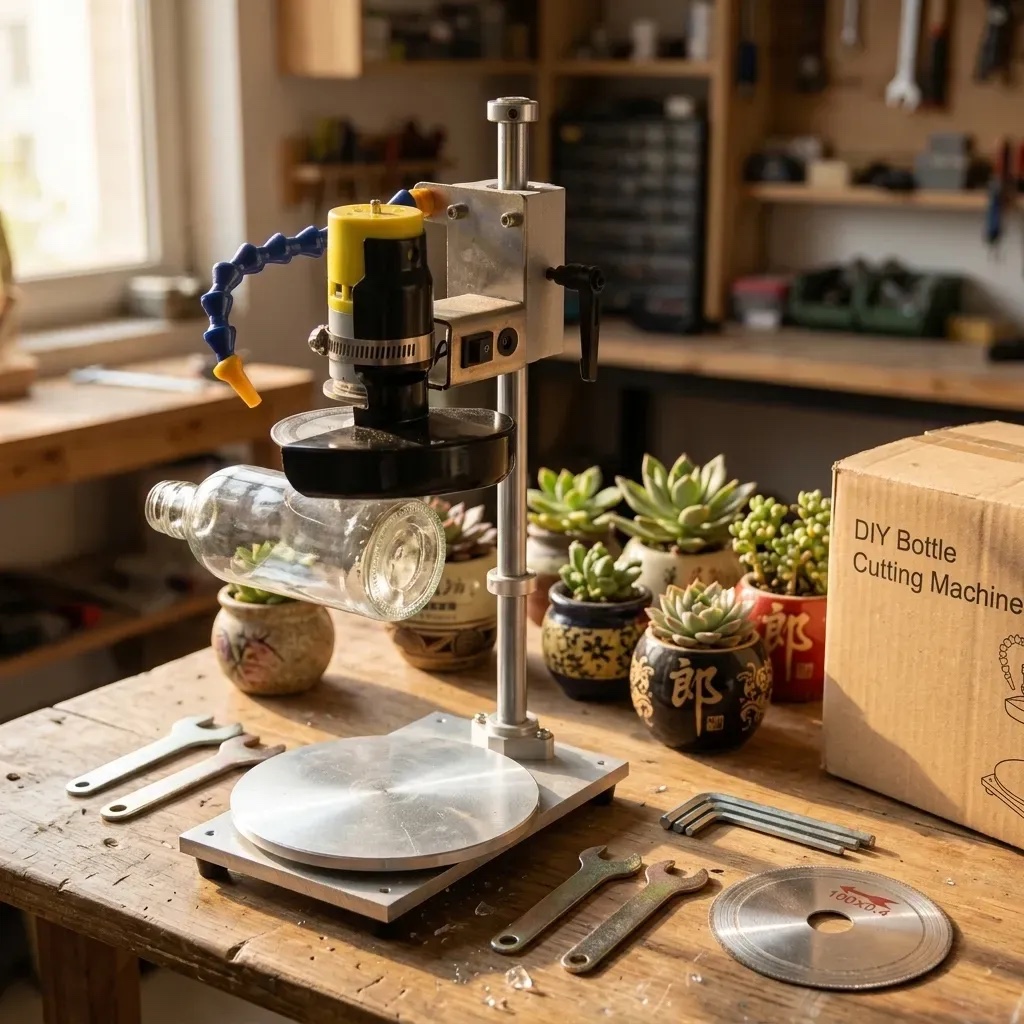
Short answer: Choose electric when a stable rotating support and repeatable batch rhythm matter more than portability. Choose manual when storage, occasional use and direct tactile control matter more. Neither option produces a finished drinking rim by itself, and neither can guarantee success on every bottle shape.
This is a working guide for comparison decision, not a rewritten product card. Begin with the current ElectricGl electric glass bottle cutter product page, then keep the exact manual, label or service information beside the task so a live specification is never mistaken for proof of the final result.
The decision this page helps you make
Choose by batch size, repeatability, material variation and the operator work required, not by motor speed alone. That means defining a pass condition before buying, fitting or using anything. If the necessary identity, safety limit or acceptance evidence is missing, the honest outcome is to pause rather than turn uncertainty into a confident claim.
The product page currently says: The seller lists seven speeds from 2,000 to 6,000 RPM, a 240 V motor, a non-slip rotating base and suitability for glass and ceramic. The listing gives conflicting 12-month and two-year warranty statements, so buyers should confirm the current warranty at checkout. These are useful purchasing inputs, but they remain seller-provided specifications until the exact delivered item and current documentation agree.
The non-negotiable boundary is equally important: Glass can cut deeply and powered equipment adds entanglement, eye and electrical hazards. Follow the supplied instructions, guard against fragments, use suitable eye protection and keep water away from powered parts.
A practical step-by-step workflow
- Step 1: Count realistic weekly pieces, including practice and rejects.
- Step 2: Separate scoring time from separation, sanding and cleaning time.
- Step 3: List the bottle diameters and shapes you actually collect.
- Step 4: Check whether the workspace can keep water away from mains equipment.
- Step 5: Price blades, abrasives, PPE and scrap, not just the cutter.
- Step 6: Run a small acceptance batch before promising customer dates.
- Step 7: Choose the workflow whose failure modes you can inspect and correct.
Carry out the checks in order. For this specific decision, record the exact identity, the starting condition, the setting or method used and why the outcome was accepted or rejected. That turns a later change into something that can be diagnosed instead of an anecdote.
Evidence table
| Decision factor | Electric workflow | Manual workflow |
|---|---|---|
| Repeat batches | Stable support may improve rhythm | More operator positioning each piece |
| Storage | Needs powered dry bench space | Usually easier to store |
| Learning | Speed and guide setup still matter | Pressure and alignment are directly felt |
| Finishing | Still required | Still required |
| Best proof | Timed scrap batch with reject count | Same timed scrap batch and reject count |
Use the table as a stop/go record. When the current manual or service information gives a specific limit, that exact source takes priority over this general guide.
What the listing can and cannot prove
For ElectricGl electric glass bottle cutter, the listing can establish the current offer and the seller’s stated specification. It cannot independently establish the result described in this article. Ratings, discount badges and scarcity messages are not technical evidence. Where two statements conflict, preserve both, ask for written clarification and postpone irreversible work.
Common failure modes
- Comparing only purchase price.
- Counting scoring as the entire production time.
- Assuming higher RPM means a cleaner result.
- Ignoring bottle-shape variation.
- Promising food-safe finished items without a suitable process.
- Repeating warranty or certification claims without checking current documents.
A documented stop decision protects the item and the diagnostic trail. It also makes a supplier question or return easier because the mismatch was recorded before damage or modification.
How this page fits the wider topic cluster
Use the product page for the current offer. Continue to powered glass cutter explained a uk buyers guide, the ultimate guide to adjustable bottle cutter in the uk, electric bottle cutter safety setup uk, clean glass bottle cuts score separate finish only when that adjacent question becomes relevant. Together these pages cover buying, setup, evidence, maintenance and safety without repeating one broad buyer’s guide under several titles.
Frequently asked questions
What is the first check for this task?
Count realistic weekly pieces, including practice and rejects. This first check matters because the rest of the workflow assumes the correct item, information and starting condition.
What result should be written down?
Record the result of “Choose the workflow whose failure modes you can inspect and correct.” together with the exact item or batch, relevant settings and any photograph or measurement that another person would need to repeat the decision.
Which product claim still needs verification?
The seller lists seven speeds from 2,000 to 6,000 RPM, a 240 V motor, a non-slip rotating base and suitability for glass and ceramic. The listing gives conflicting 12-month and two-year warranty statements, so buyers should confirm the current warranty at checkout. Treat each figure or compatibility statement as seller-provided until the delivered label and current documentation agree.
What is an immediate stop signal?
Comparing only purchase price. is one avoidable failure. Also stop whenever glass can cut deeply and powered equipment adds entanglement, eye and electrical hazards. Follow the supplied instructions, guard against fragments, use suitable eye protection and keep water away from powered parts.
Sources and scope
The product specifications in this article are attributed to the live seller page. Decision and safety boundaries were checked against these primary or authoritative sources:
These sources define principles within their stated scope. They do not endorse ElectricGl electric glass bottle cutter, and no cited organisation is represented as having tested it.
Bottom line
Choose electric when a stable rotating support and repeatable batch rhythm matter more than portability. Choose manual when storage, occasional use and direct tactile control matter more. Neither option produces a finished drinking rim by itself, and neither can guarantee success on every bottle shape. Read the exact instructions, decide what evidence would count as success, and keep a written stop rule. That is the difference between a useful topic-cluster article and a confident-looking product paraphrase.