Clean Bottle Cuts: Score, Separate and Finish Without Guesswork
Separate scoring, controlled separation and edge finishing into three measurable stages.
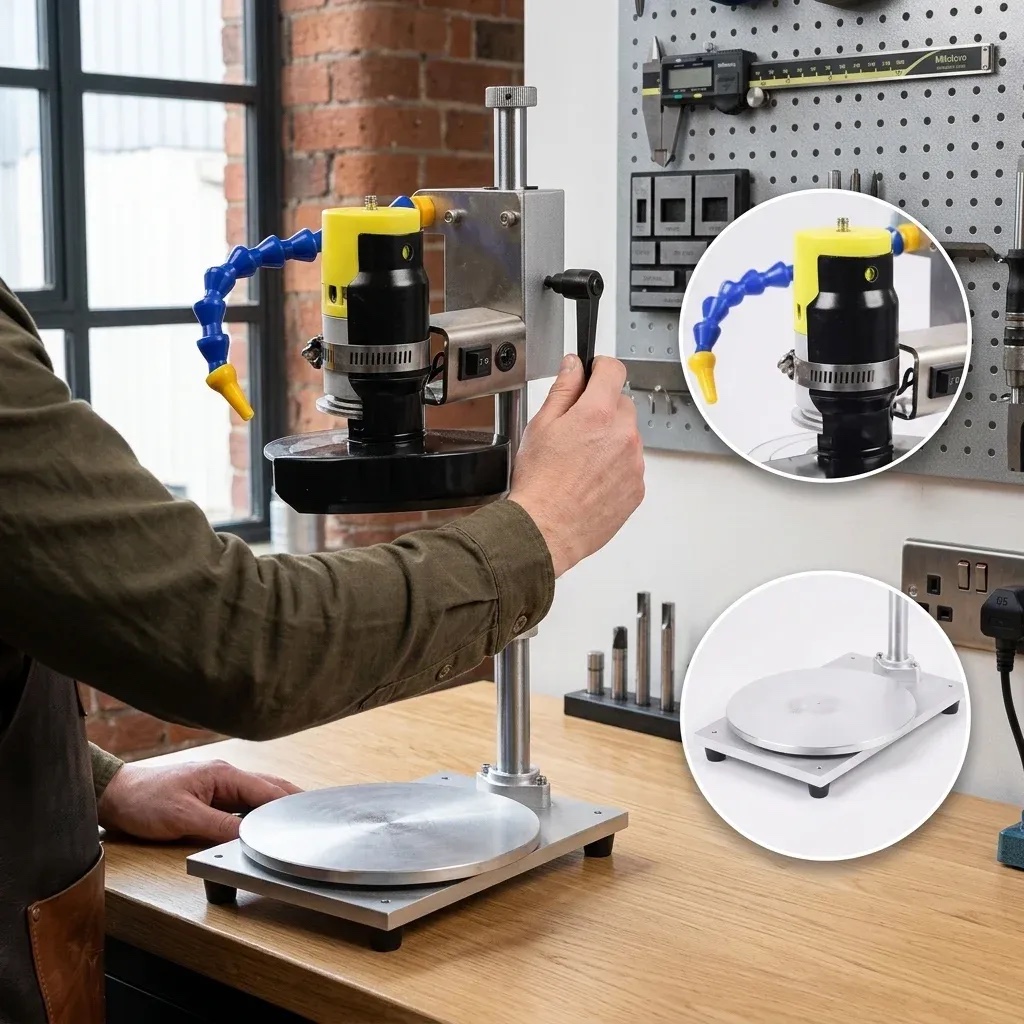
Short answer: Clean results come from diagnosing three different stages. The score should be continuous and light, separation should follow the score with controlled thermal change, and the cut edge must be made safe by an appropriate finishing method. Re-scoring the same line or forcing a reluctant split usually makes the result less predictable.
This is a working guide for workflow troubleshooting, not a rewritten product card. Begin with the current ElectricGl electric glass bottle cutter product page, then keep the exact manual, label or service information beside the task so a live specification is never mistaken for proof of the final result.
The decision this page helps you make
Separate scoring, controlled separation and edge finishing into three measurable stages. That means defining a pass condition before buying, fitting or using anything. If the necessary identity, safety limit or acceptance evidence is missing, the honest outcome is to pause rather than turn uncertainty into a confident claim.
The product page currently says: The seller lists seven speeds from 2,000 to 6,000 RPM, a 240 V motor, a non-slip rotating base and suitability for glass and ceramic. The listing gives conflicting 12-month and two-year warranty statements, so buyers should confirm the current warranty at checkout. These are useful purchasing inputs, but they remain seller-provided specifications until the exact delivered item and current documentation agree.
The non-negotiable boundary is equally important: Glass can cut deeply and powered equipment adds entanglement, eye and electrical hazards. Follow the supplied instructions, guard against fragments, use suitable eye protection and keep water away from powered parts.
A practical step-by-step workflow
- Step 1: Wash and dry the bottle so labels and grit cannot disturb support.
- Step 2: Mark one intended cut height and set the guides before switching on.
- Step 3: Make one continuous score with consistent support and pressure.
- Step 4: Inspect the score under good light; do not repeatedly trace the same line.
- Step 5: Move away from the powered cutter before any water-assisted separation.
- Step 6: Apply the manual’s separation method evenly around the circumference.
- Step 7: Reject branching cracks; finish and inspect the entire edge before use.
Carry out the checks in order. For this specific decision, record the exact identity, the starting condition, the setting or method used and why the outcome was accepted or rejected. That turns a later change into something that can be diagnosed instead of an anecdote.
Evidence table
| Fault | Likely stage to inspect | Next controlled change |
|---|---|---|
| Score wanders | Support, guide and bottle shape | Use a straighter practice bottle and reset guides |
| Split leaves the line | Uneven score or thermal change | Reduce pressure and apply heat/cold evenly |
| Small chips | Excess pressure or repeated score | Use one lighter pass on scrap |
| Edge feels sharp | Finishing incomplete | Continue the specified abrasive sequence; do not use yet |
Use the table as a stop/go record. When the current manual or service information gives a specific limit, that exact source takes priority over this general guide.
What the listing can and cannot prove
For ElectricGl electric glass bottle cutter, the listing can establish the current offer and the seller’s stated specification. It cannot independently establish the result described in this article. Ratings, discount badges and scarcity messages are not technical evidence. Where two statements conflict, preserve both, ask for written clarification and postpone irreversible work.
Common failure modes
- Calling every break a speed problem.
- Scoring the same line several times.
- Forcing an irregular bottle against guides.
- Separating glass beside the live electrical tool.
- Sanding without controlling dust and fragments.
- Selling or gifting an item before edge inspection.
A documented stop decision protects the item and the diagnostic trail. It also makes a supplier question or return easier because the mismatch was recorded before damage or modification.
How this page fits the wider topic cluster
Use the product page for the current offer. Continue to powered glass cutter explained a uk buyers guide, the ultimate guide to adjustable bottle cutter in the uk, electric bottle cutter safety setup uk only when that adjacent question becomes relevant. Together these pages cover buying, setup, evidence, maintenance and safety without repeating one broad buyer’s guide under several titles.
Frequently asked questions
What is the first check for this task?
Wash and dry the bottle so labels and grit cannot disturb support. This first check matters because the rest of the workflow assumes the correct item, information and starting condition.
What result should be written down?
Record the result of “Reject branching cracks; finish and inspect the entire edge before use.” together with the exact item or batch, relevant settings and any photograph or measurement that another person would need to repeat the decision.
Which product claim still needs verification?
The seller lists seven speeds from 2,000 to 6,000 RPM, a 240 V motor, a non-slip rotating base and suitability for glass and ceramic. The listing gives conflicting 12-month and two-year warranty statements, so buyers should confirm the current warranty at checkout. Treat each figure or compatibility statement as seller-provided until the delivered label and current documentation agree.
What is an immediate stop signal?
Calling every break a speed problem. is one avoidable failure. Also stop whenever glass can cut deeply and powered equipment adds entanglement, eye and electrical hazards. Follow the supplied instructions, guard against fragments, use suitable eye protection and keep water away from powered parts.
Sources and scope
The product specifications in this article are attributed to the live seller page. Decision and safety boundaries were checked against these primary or authoritative sources:
These sources define principles within their stated scope. They do not endorse ElectricGl electric glass bottle cutter, and no cited organisation is represented as having tested it.
Bottom line
Clean results come from diagnosing three different stages. The score should be continuous and light, separation should follow the score with controlled thermal change, and the cut edge must be made safe by an appropriate finishing method. Re-scoring the same line or forcing a reluctant split usually makes the result less predictable. Read the exact instructions, decide what evidence would count as success, and keep a written stop rule. That is the difference between a useful topic-cluster article and a confident-looking product paraphrase.